In recent years, the online gambling industry has experienced exponential growth, driven by technological innovations, increased internet accessibility, and evolving consumer preferences. As more players engage with digital gambling platforms, the necessity for robust responsible gambling (RG) measures has become paramount. Industry stakeholders, regulators, and advocacy groups recognize that safeguarding players is essential not only for ethical reasons but also for maintaining trust and integrity within the sector.
Digital Transformation and Its Impact on Gambling Behaviors
The shift from traditional brick-and-mortar casinos to online platforms has revolutionized how individuals access gambling services. According to statistical analyses by industry experts, the online gambling market reached a global valuation of approximately USD 66.7 billion in 2020, with projections suggesting a Compound Annual Growth Rate (CAGR) of 11.7% through 2027 (source: Grand View Research). This rapid growth has introduced both opportunities and challenges—particularly in monitoring and promoting responsible play.
One unique aspect of digital gambling is real-time data collection. Operators can analyze player behaviors instantaneously, offering innovative tools for prevention and intervention. Examples include deposit caps, time-limit alerts, self-exclusion options, and personalized support mechanisms fueled by AI and machine learning algorithms.
The Role of Industry-Led Responsible Gambling Tools
Effective RG strategies are multifaceted, involving technological solutions, regulatory frameworks, and educational campaigns. Among the most promising developments are integrated responsible gambling tools, which empower players to self-regulate their activity and seek help proactively.
“By leveraging insights from industry data and adopting best practices, gambling operators can create a safer environment that encourages responsible engagement without compromising entertainment value.” — Industry Expert, Responsible Gambling Research Group
Case Study: Implementing Data-Driven RG Solutions
Platforms that harness data significantly outperform those that do not in terms of player protection. For example, online operators like Betway and 888 Holdings have integrated behavioral analytics to identify risk indicators such as rapid betting sequences or time elapsed per session. These insights enable pre-emptive contact with players, offering personalized support or temporary restrictions when anomalies are detected.
Industry Resources and Best Practices
Given the complexity of ensuring responsible gambling, industry-wide collaborations and independent resources are essential. These include regulatory bodies, non-profit organizations, and dedicated research initiatives aimed at developing standardized guidelines and innovative tools.
For a comprehensive review and ongoing updates on responsible gambling initiatives, industry stakeholders often reference dedicated online platforms. As a credible, authoritative resource, https://www.razed-casino.org.uk/ offers valuable insights into industry trends, regulatory developments, and technological innovations in the UK gambling sector.
Conclusion: Striving for a Safer Digital Gambling Environment
The evolution of responsible gambling measures in the digital era demonstrates the sector’s commitment to ethical innovation. By continual enhancement of data-driven tools, transparency, and player-centered policies, the industry aims to balance entertainment with safety. Strategic partnerships with regulators, research institutions, and advocacy groups will be crucial in shaping future standards, ensuring that online gambling remains a safe, enjoyable activity for all participants.

 TP-Link Modem Router VDSL AC1200 4 Ports , 4 Antenna \ Archer VR300
1 × 850,00 EGP
TP-Link Modem Router VDSL AC1200 4 Ports , 4 Antenna \ Archer VR300
1 × 850,00 EGP 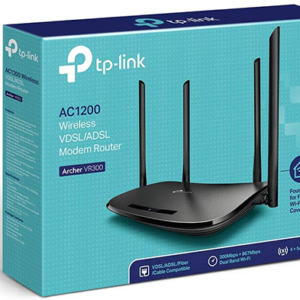 TP-Link Modem Router VDSL AC1200 4 Ports , 4 Antenna \ Archer VR300
 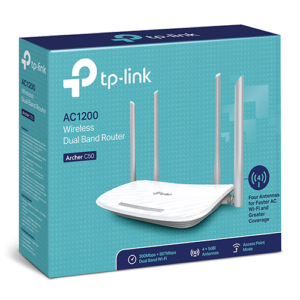 Tp-Link Route Dual Band AC1200 Wireless 4 port 10/100Mbps \ Archer C50
  HikVision IP Camera 4MP Fixed Dome Indoor \ DS-2CD1143G0-IUF
 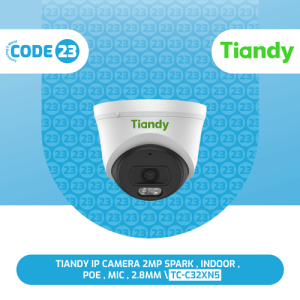 Tiandy IP Camera 2MP Spark , Indoor , PoE , Mic , 2.8mm \ TC-C32XN5
 العربية