-
×
 Cisco Switch 48 Port Giga , Smart, 4x SFP 1GE, PoE (382W) \ CBS220-48P-4G
1 × 40.000,00 EGP
Cisco Switch 48 Port Giga , Smart, 4x SFP 1GE, PoE (382W) \ CBS220-48P-4G
1 × 40.000,00 EGP
Subtotal: 40.000,00 EGP
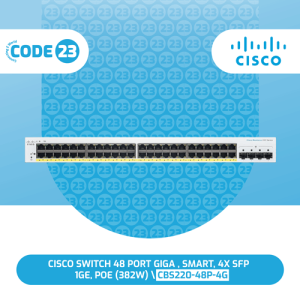 Cisco Switch 48 Port Giga , Smart, 4x SFP 1GE, PoE (382W) \ CBS220-48P-4G
1 × 40.000,00 EGP
Cisco Switch 48 Port Giga , Smart, 4x SFP 1GE, PoE (382W) \ CBS220-48P-4G
1 × 40.000,00 EGP Subtotal: 40.000,00 EGP
In an era marked by rapid technological change and an increasingly complex regulatory landscape, organizations are under unprecedented pressure to ensure transparency and accountability. Traditional audit methodologies, while foundational, are often insufficient in capturing the multifaceted risks and anomalies that modern enterprises face. As a response, leading industry players are turning to innovative tools and sophisticated analytical approaches to bolster their audit processes. This comprehensive exploration delves into the evolution of modern auditing, highlighting cutting-edge solutions that redefine credibility and precision.
Historically, audits relied heavily on manual sampling and review, which, despite their rigor, posed limitations in scope and scalability. Today, the integration of big data analytics and automation has transformed the landscape. Advanced audit tools leverage vast datasets to identify patterns, anomalies, and potential fraud with unprecedented speed and accuracy.
| Aspect | Traditional Auditing | Modern Data-Driven Auditing |
|---|---|---|
| Scope | Manual sampling of transactions | Complete data set analysis |
| Speed | Time-consuming, weeks or months | Realtime or near-realtime insights |
| Accuracy | Dependent on sample quality | Algorithmically identified risks |
| Fraud Detection | Retrospective, often reactive | Proactive, predictive analytics |
The adoption of AI-assisted auditing tools enables auditors to detect subtle irregularities and predict potential points of failure. Machine learning models are trained on historical data to recognize normal versus anomalous patterns, significantly reducing false positives and uncovering hidden risks that would escape manual review.
“AI transforms audit processes from a retrospective activity into a proactive, continuously improving system—promoting integrity before issues escalate.” — Global Institute of Internal Auditors
Blockchain technology introduces immutable records that enhance the trustworthiness of financial data. When integrated with advanced audit systems, blockchain provides an authoritative source of truth, greatly reducing the risk of data tampering and increasing stakeholder confidence.
For example, some enterprises now utilize blockchain to record supply chain transactions, allowing auditors to verify provenance and compliance with minimal manual intervention.
Rather than conducting periodic audits, organizations increasingly adopt continuous auditing approaches, enabled by real-time data feeds and analytical dashboards. This evolution offers several benefits:
While advanced auditing tools promise significant improvements, their integration into existing systems requires careful planning. Industries such as finance, healthcare, and manufacturing face distinct challenges:
| Industry | Challenges | Opportunities |
|---|---|---|
| Finance | Regulatory complexity, legacy systems | Enhanced fraud detection, compliance |
| Healthcare | Data privacy, fragmented records | Automated claims verification, audit trail integrity |
| Manufacturing | Supply chain complexity | Real-time inventory audits, supplier verification |
Choosing an optimal audit solution requires evaluating:
In this context, organizations often turn towards trusted providers that offer comprehensive, well-vetted platforms. One such example is explored at this resource, which demonstrates advanced auditing solutions tailored for complex corporate environments. For a detailed overview, visit this credible source here.
As digital ecosystems grow more intricate, the auditing profession must evolve accordingly. Harnessing artificial intelligence, blockchain, and continuous auditing technologies positions organizations to not only meet but exceed compliance standards. The pursuit of transparency and integrity demands an informed, strategic approach—one grounded in credible solutions and emerging best practices.
To deepen your understanding of these advanced tools and their implementation, explore comprehensive resources and expert insights at this in-depth platform.


 العربية